
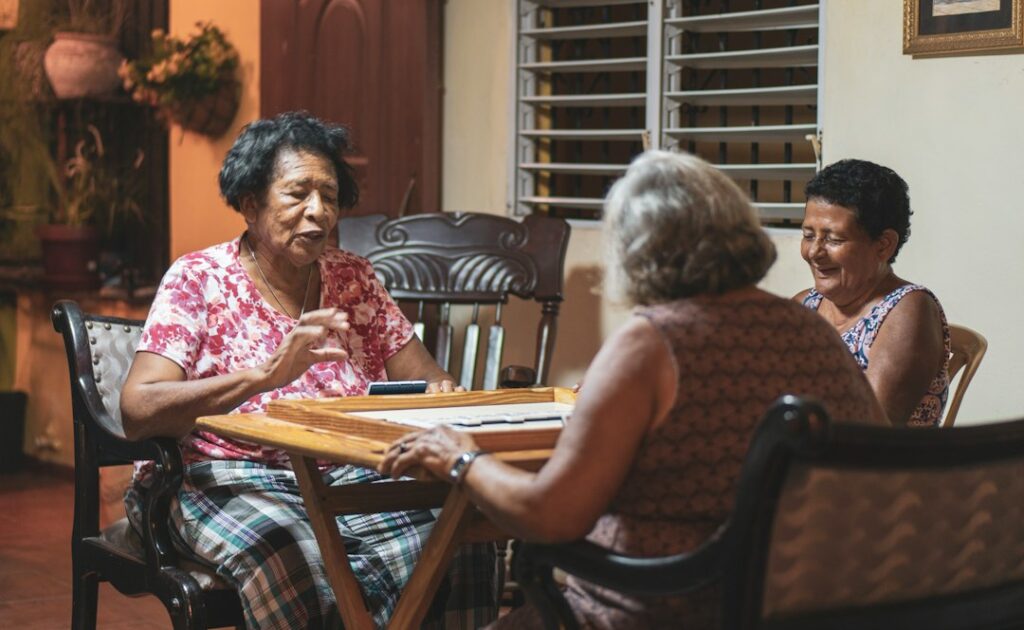
Older adults can become socially isolated after the loss of a spouse, reduced mobility, health changes, retirement, or difficulty driving. Assisted living can help by placing daily opportunities for conversation, shared activities, meals, and support within the same residential setting.
That does not mean every resident will automatically feel connected. Social engagement depends on personality, health, interests, relationships, and the quality of the community’s programs. Still, assisted living can remove many practical barriers that make social contact difficult at home.
What is the difference between loneliness and social isolation?
Loneliness is the feeling of being alone or emotionally disconnected. Social isolation is having limited contact, relationships, or support from other people. A person can experience one without fully experiencing the other.
For example, an older adult may live alone but feel content because family members call regularly and friends visit. Another person may live with others yet feel lonely if conversations, activities, or meaningful relationships are missing.
Both conditions deserve attention. Ongoing isolation and loneliness are associated with poorer emotional well-being and increased risk of several physical and cognitive health problems. Warning signs can include withdrawing from usual interests, eating alone most of the time, missing appointments, neglecting personal care, or rarely speaking with anyone outside the household.
How does assisted living create more everyday social contact?
Assisted living places residents near staff and other older adults throughout the day. This creates informal contact that may not happen in a private home.
A resident may speak with someone while walking to breakfast, exchange a few words in a hallway, join a group activity, or sit with others during an afternoon program. These short interactions can be valuable, especially for someone who has spent much of the week alone.
The setting also creates a predictable rhythm. Regular meal times, scheduled activities, wellness checks, and shared common areas give residents natural reasons to leave their apartments and encounter other people.
This structure can be particularly helpful during Pennsylvania’s colder months, when snow, ice, shorter daylight hours, and difficult walking conditions may discourage older adults from traveling or receiving visitors.
Which activities help residents build relationships?
Activities are most helpful when they offer repeated opportunities to see the same people and participate at a comfortable level. A single event may be enjoyable, but ongoing routines are more likely to support friendships.
Common examples include:
- Group meals, coffee gatherings, and informal conversation
- Card games, puzzles, crafts, music, or discussion groups
- Gentle exercise, walking groups, or stretching sessions
- Gardening, seasonal decorating, or cooking activities
- Religious, cultural, or holiday observances
- Educational presentations and current-events conversations
- Reminiscence activities based on music, photographs, or local history
- Intergenerational visits with children, grandchildren, or community groups
Residents should not be expected to enjoy every activity. Some people prefer small groups, while others are more comfortable with one-to-one conversations. Quiet options, flexible attendance, and opportunities for residents to suggest activities can make participation more inclusive.
Can assisted living help someone who is shy or reluctant to participate?
Yes, but social connection often develops gradually. A person who is shy, grieving, hard of hearing, living with memory loss, or adjusting after a move may not immediately join group programs.
A staff member may help by introducing the resident to one or two people with similar interests rather than directing the person into a large gathering. Sitting nearby during a meal, offering transportation within the residence, or inviting someone to a smaller activity may feel less overwhelming.
Family members can also share useful information about a resident’s past hobbies, work, faith, music preferences, or favorite conversation topics. These details can help staff identify natural points of connection.
Reluctance should not automatically be treated as unwillingness. Pain, fatigue, depression, hearing difficulty, medication effects, vision problems, or fear of falling may make social activities harder to access.
How does assistance with daily tasks affect social connection?
Help with bathing, dressing, walking, meals, medication routines, or other daily tasks can indirectly reduce isolation. When basic tasks require less energy and feel safer, a resident may have more ability and confidence to participate.
For example, a person who is worried about falling may avoid leaving an apartment. Assistance with mobility or transfers may make it easier to reach a dining room or activity area. Someone who struggles to prepare meals may be more likely to eat regularly when meals are available in a shared setting.
Assisted living is not the same as a nursing home. In Pennsylvania, assisted living residences and personal care homes are residential settings licensed under state requirements, while nursing homes provide a higher level of medical care. The appropriate setting depends on a person’s health, supervision, and daily support needs.
Does living in assisted living replace family and community relationships?
No. Assisted living can add daily social contact, but it should not replace relationships outside the residence.
Family members and friends can support connection by:
- Visiting at consistent times
- Calling or using video calls
- Sharing photographs, letters, or familiar music
- Joining a meal or activity when permitted
- Helping the resident maintain religious, cultural, or civic connections
- Accompanying the resident on short outings when practical
- Continuing familiar traditions and celebrations

For households in Pen Argyl, maintaining connections may require planning around transportation, winter weather, work schedules, and the distance between family members. A predictable visiting routine can be more reassuring than occasional visits that are difficult to anticipate.
What should families ask about social life before choosing a residence?
The activity calendar alone does not show whether residents are genuinely connecting. Families should observe how people interact during meals, programs, and unstructured periods.
Useful questions include:
- Are activities offered every day, including evenings or weekends?
- Are there smaller programs for residents who dislike large groups?
- How are new residents introduced to others?
- Can residents suggest or lead activities?
- Are residents assisted with hearing, vision, mobility, or communication needs?
- What happens when a resident repeatedly stays alone?
- Are family visits and private conversations supported?
- Are outdoor areas accessible during warmer weather?
- What alternatives are available during snow, ice, or extreme heat?
- How are cultural, religious, dietary, and personal preferences respected?
It can also help to visit at different times of day. A residence may appear active during a scheduled event but much quieter during meals, evenings, or weekends. Those less structured periods often reveal whether residents have meaningful opportunities for connection beyond the activity calendar.
When is isolation a sign that more help is needed?
Persistent withdrawal, sadness, confusion, changes in sleep or appetite, or loss of interest in nearly everything should be taken seriously. Social isolation may contribute to these changes, but it may also reflect depression, dementia, grief, medication problems, hearing loss, or an untreated medical condition.
A resident who suddenly stops attending meals or activities may need a health and safety check rather than simply more invitations. Family members should share noticeable changes with the appropriate care staff and healthcare professionals, especially if there are concerns about self-neglect, falls, hopelessness, or statements about death.
Assisted living can make social connection easier by combining supportive routines, shared spaces, organized activities, and nearby staff. The strongest results come when the environment respects individual preferences and gives each resident more than one comfortable way to participate.
