

Falls are a common safety concern in assisted living, but many can be prevented through practical changes to the living space, regular health reviews, and support with daily routines. Prevention works best when it focuses on the person’s habits, mobility, medications, vision, and surroundings rather than treating every fall as an unavoidable part of aging.
Why are falls a serious concern in assisted living?
Falls can cause broken bones, head injuries, fear of walking, and loss of independence. Even a fall without a major injury may lead a resident to avoid activities, move less, or become less confident using a bathroom, hallway, or dining area.
Assisted living communities are designed to support daily living, but residents may still encounter risks such as wet floors, poor lighting, loose rugs, clutter, uneven walking surfaces, or unfamiliar room layouts. A change in health can also increase risk quickly. For example, a resident who was steady last month may become unbalanced after an illness, medication change, or period of inactivity.
Fall prevention should therefore be treated as an ongoing safety process, not a one-time room inspection.
What hazards should residents and families look for inside the living space?
The safest room is arranged so that frequently used items are easy to reach and walking paths remain clear. Residents and family members can look for:
- Loose throw rugs or mats that slide underfoot
- Electrical cords crossing walkways
- Clutter near the bed, chair, bathroom, or doorway
- Furniture that blocks a direct route to the bathroom
- Low tables or footstools that are difficult to see
- Wet floors after bathing or cleaning
- Poor lighting, especially between the bed and bathroom
- Shoes or slippers without secure, non-slip soles
- Frequently used items stored too high or too low
A bed or chair that is difficult to get in and out of can also create risk. The height should allow the resident to place both feet firmly on the floor before standing. Armrests may provide useful support, while unstable furniture should not be used as a substitute for a grab bar or mobility aid.
During winter in Pen Argyl, wet footwear, tracked-in snow, and slush near entrances can create temporary hazards. These conditions require prompt cleanup, clear walking routes, and suitable footwear rather than simply telling residents to “be careful.”
How can lighting reduce fall risk?
Good lighting helps residents see changes in flooring, obstacles, steps, and bathroom fixtures. A night-light or low-level pathway light can make the route from the bed to the bathroom easier to navigate without forcing a person to walk in darkness.
Lighting should be bright enough to show the walking surface without creating glare. Important areas include:
- The bedside area
- The route to the bathroom
- Bathroom entrances and shower areas
- Hallway intersections
- Stairways or changes in floor level
- Entry areas where outdoor conditions may be tracked inside
Residents who have vision changes may need more than brighter bulbs. Glare, shadows, and poor contrast can remain problems even in a well-lit room. Keeping dark furniture against a contrasting background and using clearly visible edges on steps may improve awareness of the environment.
What role do medications and health conditions play?
Medication effects are a frequent, overlooked contributor to falls. Dizziness, sleepiness, low blood pressure, blurred vision, and the need to urinate urgently can all affect balance or reaction time. These effects may be more noticeable after a new medicine is started or a dosage changes.
A medication review should be requested when a resident experiences:
- New dizziness or unusual sleepiness
- Feeling faint after standing
- A sudden increase in unsteadiness
- Confusion or weakness
- More frequent nighttime bathroom trips
- A fall or near-fall without an obvious environmental cause
Health conditions such as arthritis, neuropathy, stroke-related weakness, Parkinson’s disease, osteoporosis, dehydration, and vision impairment can also affect safety. A resident should not stop or change prescribed medication independently. Questions about possible side effects should be directed to the appropriate healthcare professional or licensed staff member.
How should residents use walkers, canes, and other mobility aids?
Mobility aids reduce risk only when they are correctly fitted and used consistently. A cane that is too tall, a walker with worn tips, or a wheelchair with improperly positioned footrests can create additional hazards.
Residents should use the mobility aid recommended for their needs and avoid holding furniture while walking. “Furniture walking” may seem convenient, but chairs and tables can move or tip. Mobility aids should be placed within reach before standing, rather than left across the room.
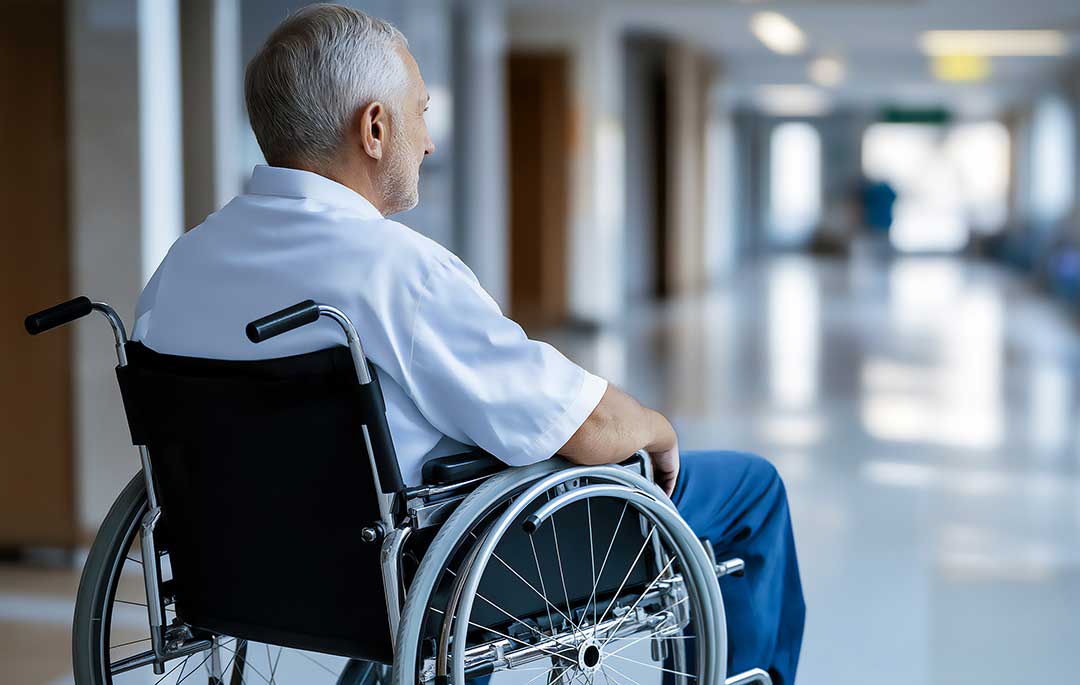
Staff or healthcare professionals may need to check:
- Whether the aid is the correct height
- Whether rubber tips, wheels, or brakes are in good condition
- Whether the resident knows how to turn and sit safely
- Whether the aid is being used on ramps, thresholds, or uneven surfaces
- Whether footwear interferes with safe movement
A resident who suddenly needs more support than usual should be assessed rather than encouraged to push through the change.
What daily habits help prevent falls?
Safe movement begins before standing. Residents can sit at the edge of the bed or chair for a moment, move their ankles, and make sure they are not lightheaded. Standing up quickly can cause a drop in blood pressure and increase the chance of losing balance.
Other helpful habits include:
- Wearing secure shoes with non-slip soles
- Using handrails on stairs and in hallways
- Keeping a phone, call device, or personal alert system within reach
- Taking time rather than rushing to the bathroom
- Asking for assistance when tired, ill, or unsteady
- Using prescribed glasses and hearing aids
- Drinking enough fluid unless a healthcare professional has set restrictions
- Participating in safe strength and balance activities
Exercise should match the resident’s abilities. Simple supervised activities may support leg strength, balance, and confidence, while unsupervised exercises may be unsafe for someone with significant weakness or dizziness.
What should happen after a fall or near-fall?
A fall should be reported even when there is no obvious injury. Some injuries, including head injuries or fractures, may not produce severe pain immediately. A resident should not be rushed to stand after a fall, particularly if there is neck pain, severe pain, bleeding, confusion, weakness, or a possible head impact.
Emergency medical help may be needed for loss of consciousness, trouble breathing, severe bleeding, new confusion, inability to move normally, or intense pain. If those signs are not present, trained staff should still assess the resident according to the community’s procedures.
Near-falls also deserve attention. A resident who catches a chair, grabs a wall, or slips without reaching the floor may be showing an early warning sign. Recording what happened—time, location, footwear, lighting, activity, and symptoms—can help identify patterns and prevent a more serious event.
How can families support safer routines?
Families can ask whether the resident has had recent falls, near-falls, medication changes, vision concerns, or changes in walking ability. A visit is also a useful opportunity to observe whether the resident is reaching for furniture, rushing, wearing loose footwear, or having difficulty rising from a chair.
Helpful conversations focus on preserving independence safely. Instead of insisting that a resident stop walking, families can ask what makes movement difficult and whether a safer route, better lighting, or additional support would help.
Fall prevention is most effective when residents, families, caregivers, and healthcare personnel share observations. A clear record of small changes can lead to earlier adjustments before a preventable hazard causes a serious injury.
